Hannah’s Story
In 2009, when Hannah Adams was five and a half years old, she was diagnosed with nephroblastoma, a “rare kidney cancer that mainly affects children,” according to the Mayo Clinic. “A softball sized tumor was enveloping my left kidney,” she explains. What began as an ordinary day quickly turned into a life-changing moment after Hannah’s mom found a bulge in her stomach while Hannah was getting ready for ballet. Hannah’s high fever later that night inspired a visit to the doctor the next day. At first, they thought it was just a cyst, but they quickly discovered it was much more serious. Fortunately, they had recently moved to Houston, so MD Anderson was practically in their backyard.
“Within a week, we were going to MD Anderson,” she recalls. “I was one of nine kids diagnosed with nephroblastoma in the world in 2009.” Life changed drastically: Hannah started losing her hair, she could no longer go to ballet, and she had to miss school functions. And yet, even then, Hannah could see God working: the doctor she was assigned to and MD Anderson had actually specialized in her rare form of cancer and was the grandson of a family friend. “It was such a God thing,” she shares.
Following treatment, Hannah underwent a 13-hour surgery where they expected to remove the tumor and multiple body parts based on scans; fortunately, while in surgery, the doctors discovered the scans were wrong and only had to remove part of her kidneys. Hannah was declared cancer-free in December of 2009, and she has remained so for the past 16 years!
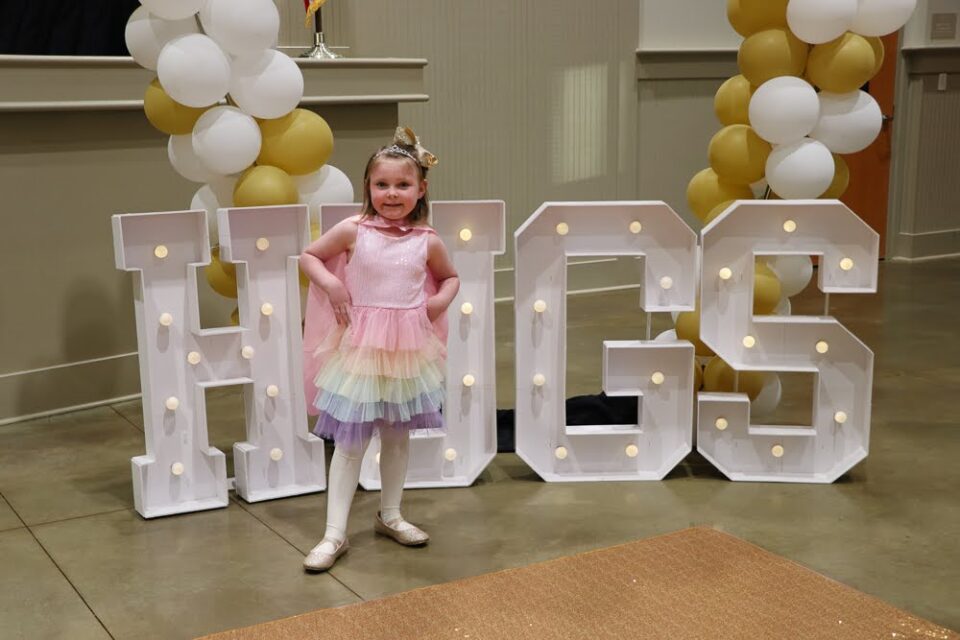
H.U.G.S. 4 Childhood Cancer
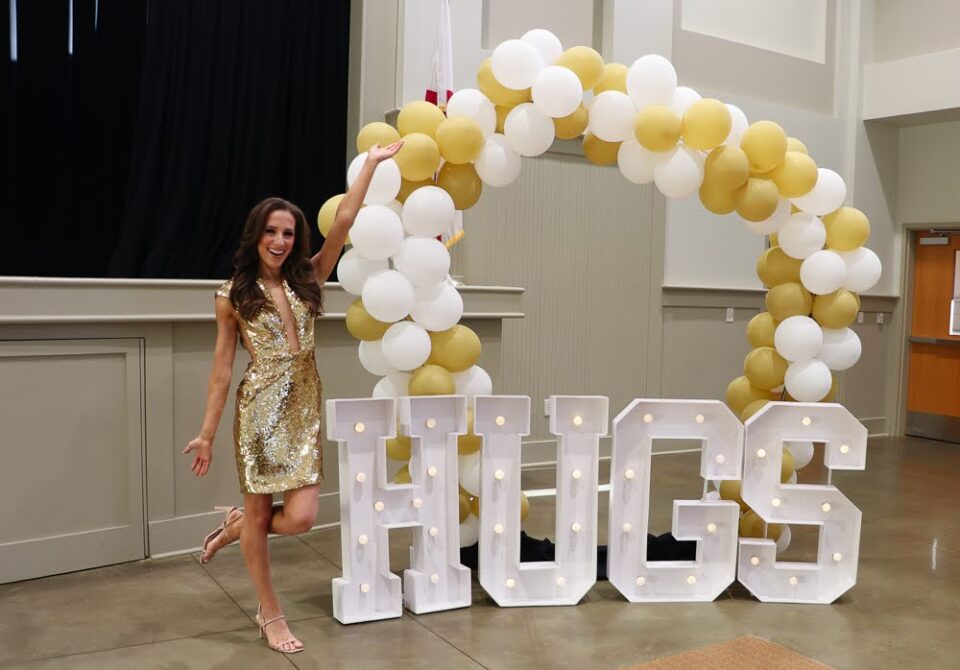
“I believe God gave me a second chance at life for a reason, and that’s to meet other kids with cancer where they are and help them,” Hannah states. After years of partnering with local and national nonprofits focused on childhood cancer, she launched her own nonprofit H.U.G.S. 4 Childhood Cancer in 2019. H.U.G.S. has three main focal points:
1. Family Support
H.U.G.S. sends out kid packages to kids all across the country—funded with a $125,000 grant from the Alabama Department of Public Health. The packages include a teddy bear as well as hand-written letters from Hannah and fellow cancer supporters. “We’ll also go visit kids in the hospital,” she adds.
2. Legislative Awareness
Hannah has been advocating for legislative awareness of childhood cancer for the past 10 years—she’s been to Capitol Hill over 150 times and Montgomery six times. And they’re seeing some real change! “We had a legislative package passed in February that will decrease red tape for kids on Medicaid if they need to go across state lines to see a specialist,” Hannah states. “It opens more doors for kids going through cancer and gives them more options… and allows for combination drugs for kids trials. The Alabama State Action Cancer Plan also recognized childhood cancer as a priority in a partnership with Alabama Public Health and Alabama Comprehensive Cancer Control Coalition (ACCCC). While every state is required to have an action cancer plan, Alamaba had not included childhood cancer until H.U.G.S. brought it up. “My dream is to one day have funding in our state even more for childhood cancer research,” Hannah declares.
3. Community Awareness
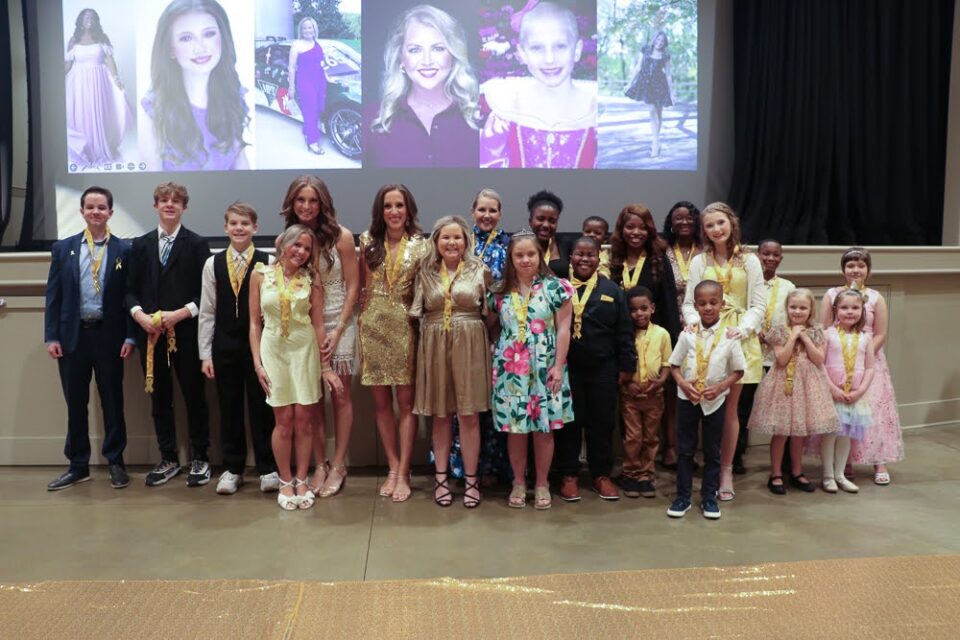
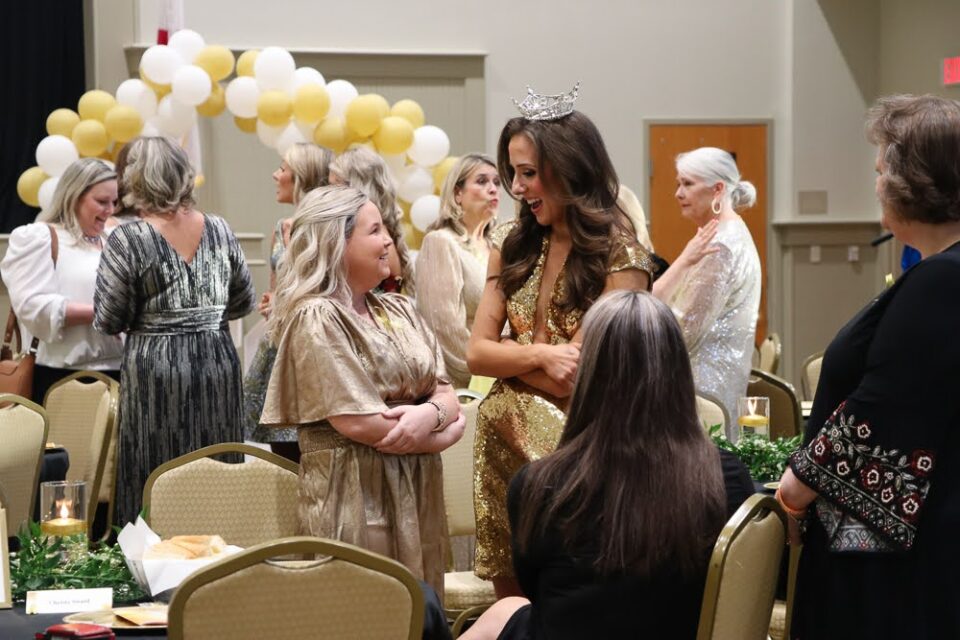
H.U.G.S. has all kinds of fun community awareness programs, including gold dress up days at schools and a H.U.G.S. golden gala honoring local families who have been impacted. They raised $13,000 before the event and had 13 childhood cancer families at the event. They have also created public awareness videos for the past three years at a survivorship clinic—the videos have reached over three million Alabamians and show how to spot the signs and how to help the community. Plus, Hannah is competing for Miss Alabama, and she loves to use childhood cancer as part of her platform. “We love to hand out crowns & superhero capes… These kids are royalty, they’re the best superheroes I know,” she says.
What has been the most rewarding moment for you as the founder?
“Interacting with the families—one of the most impactful ones has been Lily. I met her a week before Miss Alabama last year,” Hannah remembers. “We gave her a care package, we knew she loved art and dancing. She’s 11. It’s about showing other kids what’s possible.” Lily’s story of fighting brain cancer inspired Hannah’s new children’s book, The Crown of Courage. In it, Lily receives the crown, and the more she helps people and the braver she is, the brighter the crown gets. “It’s not really about the gift, it’s the presence,” Hannah explains. “It stinks, and this is difficult, and it’s okay to admit that, but you have people going to cheer you on along the way.”
What are some of the biggest long-term challenges childhood cancer survivors face that people may not realize?
- There are very few drugs specifically designed for children with cancer. Many are given adult medications, which can lead to serious long-term effects like heart disease, stunted growth, and infertility.
- Beyond physical health, there’s a psychological impact—people often see you as “the cancer kid,” and you have to adjust to a new normal.
- Survivors have to closely monitor both their mental and physical health over time.
- About 95 percent of childhood cancer survivors will experience at least one long-term side effect by age 45. (But efforts are being made to develop better, more tailored treatments for kids to reduce these long-term effects!)
- There is a lasting sense of fear, especially around yearly scans and checkups. “I still get nervous going to my yearly scans,” Hannah confesses.
Are there specific programs or resources that families in Birmingham should know about?
“We would love them to get involved in H.U.G.S., but there are so many other incredible childhood cancer nonprofits,” Hannah states. “Every nonprofit serves a purpose. Smile Mile has wonderful camps. Hope for Autumn and Children’s Harbor (through Children’s of AL) are also great. Children’s TLC Clinic is so important,” she adds. “[They keep track of] all the treatments you received and explain how they’re going to follow you the rest of your life.” Keep an eye out—a list of childhood cancer-related nonprofits will soon be published through the alliance.
What kind of support do parents of newly diagnosed children need most?
“The biggest thing is being an advocate for your child and not being afraid to ask every question for your child,” Hannah states. “Be willing to get second opinions. I was misdiagnosed at first. Parents’ intuition is so important.” She also emphasizes utilizing the hospitals’ childlife teams. Cancer affects the family unit structure in many different ways—especially the siblings, since they can feel not focused on since they’re not the fighter.
Are there any upcoming events, initiatives, or programs happening in the Birmingham area?
H.U.G.S is hosting a Childhood Summit in May for HUGS over Zoom, which will include a panel of pediatricians, childhood survivors and their families, a researcher, a nutritionist, and a psychologist. Hannah will also be hosting a book signing event for her new book, The Crown of Courage, at the end of April.
What do you wish more people understood about childhood cancer survivors?
“I think the biggest thing is they’re more than just a cancer survivor. It’s a huge part of my life, but for a long time I was just the cancer survivor girl,” Hannah admits. “Letting people know they can ask about it and have hard questions about it in a respectful way, but they’re also amazing students and athletes, and life moves on after that.”
Looking ahead, what is your vision for H.U.G.S. 4 Childhood over the next few years?
“I’m hoping the money we raise will open up more doors for us to contribute more care packages and have more programming, especially in the survivorship place for survivors in Alabama to connect,” Hannah states. She also plans to continue going to Washington D.C. to advocate for more legislation. In September, they’ll also host awareness days to promote childhood cancer awareness.
“If you could tell every child going through cancer one thing today, what would it be?”
“Mindset is everything. You get to choose whether you go into fight mode or flight mode—don’t lose heart on the hard days, it’s okay to admit it’s difficult but you’re way stronger than you think. You can get through it!”