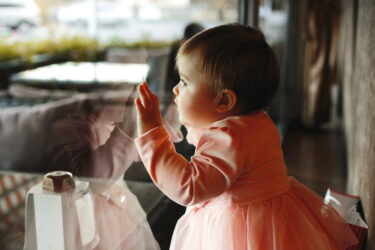
Madeline (Maddie) Sewell was born seemingly “perfectly healthy”—only when she was nine days old, her parents, Raymond and Beth Sewell, noticed she wasn’t eating and was sleeping a lot. Concerned, they left her older sister’s birthday party and took Maddie straight to the ER at Children’s of Alabama, where they put an oxygen probe on her to check her oxygen. Normally, it should be between 95–100 percent; Maddie’s was in the 70s. It turned out, she only had one pumping chamber. The neonatal team and pediatric cardiologist from UAB Hospital came over and explained to her parents that Maddie had severe heart defects and would need immediate surgery, and then two other surgeries later.


Maddie had her first open heart surgery when she was 11 days old. “Just having to hand your newborn over was extremely hard, knowing anything could happen and she was already very sick,” her mom Beth shares. Fortunately, Maddie recovered well, spent another nine days in the hospital, then came home. Fast-forward five months, and Maddie began to go into heart failure, so her doctors went ahead and performed the second surgery. This time, though, the recovery wasn’t as simple as before: “When she woke up from the surgery, she wasn’t moving her left side. They told us she’d had a stroke,” Beth recalls.
The saying, “When it rains, it pours,” was certainly true in the Sewell household: Three days after Beth decided to stay home with Maddie, she blew her back out lifting her. Beth headed to the hospital to get surgery, only for one of Maddie’s lungs to collapse while she was still in the hospital. Mom and daughter were able to spend their recovery time together, though; UAB put Beth and Maddie in a hospital bed/crib next to each other.
Next for Maddie came loads of therapy, from house visits by interventional services to therapy appointments at Children’s. Eventually, she developed apraxia of speech, so they did speech therapy for six months when she was a year and a half. At two and a half, she had her third open heart surgery in Memphis—her largest operation yet. (Not to mention her older sister was diagnosed with a rare autoimmune disorder 6 months before the third surgery.) After surgery, Maddie had a hard time coming to, which the doctors explained was because she had reentered the same part of her brain as her previous stroke. The aftermath was discouraging: Maddie had to relearn how to walk once again.
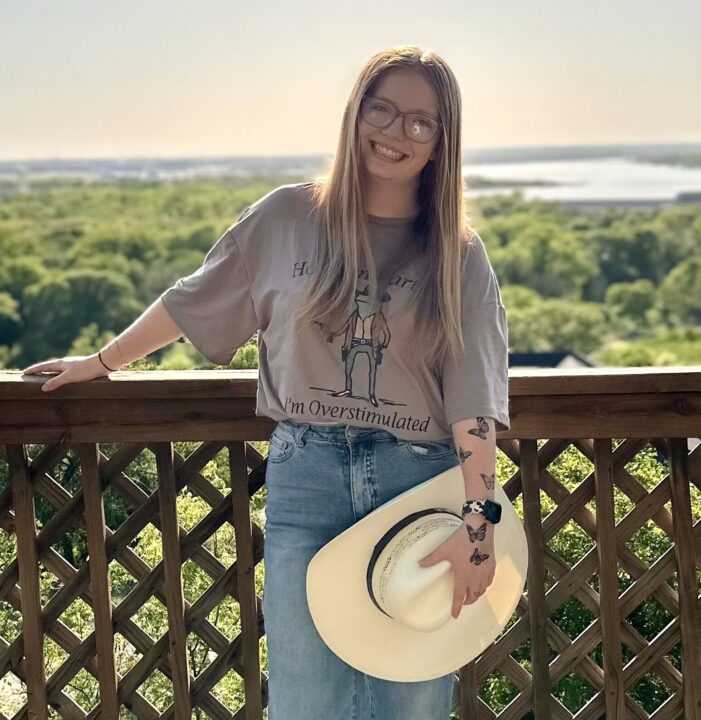
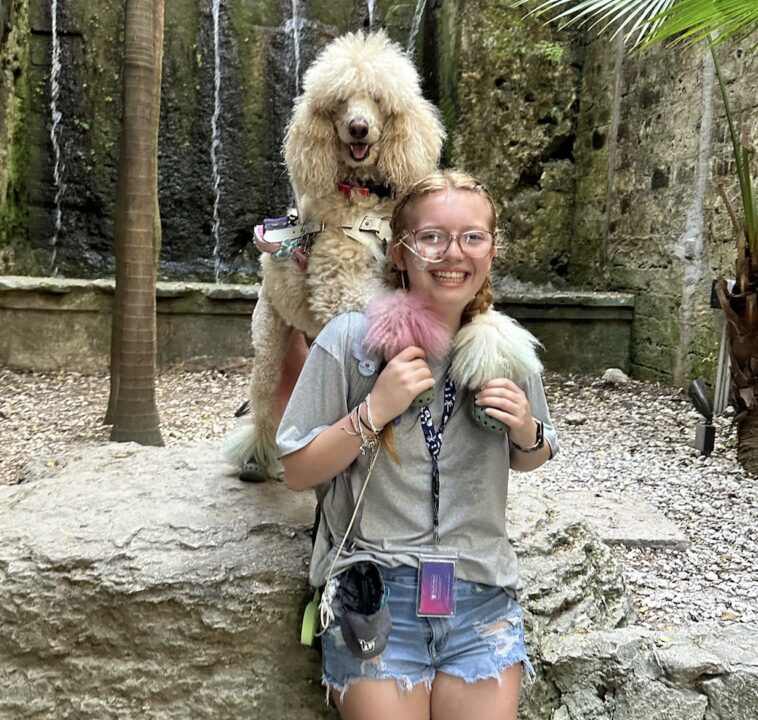
As she aged, The Sewells found themselves in the hospital all the time. Maddie was frequently on oxygen tanks because of pneumonia. Nevertheless, they pushed through the hard moments and kept fighting for Maddie. Now, Maddie is 18 years old, and you would never know the hardships she’s experienced, because she does not let them stop her from pursuing her dreams: She does horseback riding, figure skating, photography, and even has a job in the gift shop at CrackerBarrel. Of course, it’s not all sunshine and rainbows. She’s recently dealt with struggles eating that have led her to use a feeding tube, “but she doesn’t let that slow her down,” assures her mom Beth.
Heart-Touching Good
Moreover, Maddie’s struggles have brought about good: When Maddie was two, Beth went back to school to become a registered nurse and worked at the cardiovascular unit at Children’s for 6 years——the very same unit they went through when Maddie was a patient.
How have they done it? “She just totally changed our lives,” Beth explains. “[She] changed the way we think. We used to always rush to the next thing, but when she was born, it slowed us down and made us appreciate the moment and every day. Watching her, the things she overcomes on a daily basis… We don’t ‘what-if’ things.” Granted, it hasn’t been without its challenges: Trusting, letting go, and letting her pursue her passions has been a huge challenge as parents. However, they always strive to “Accep[t] her limitations without holding her back.”
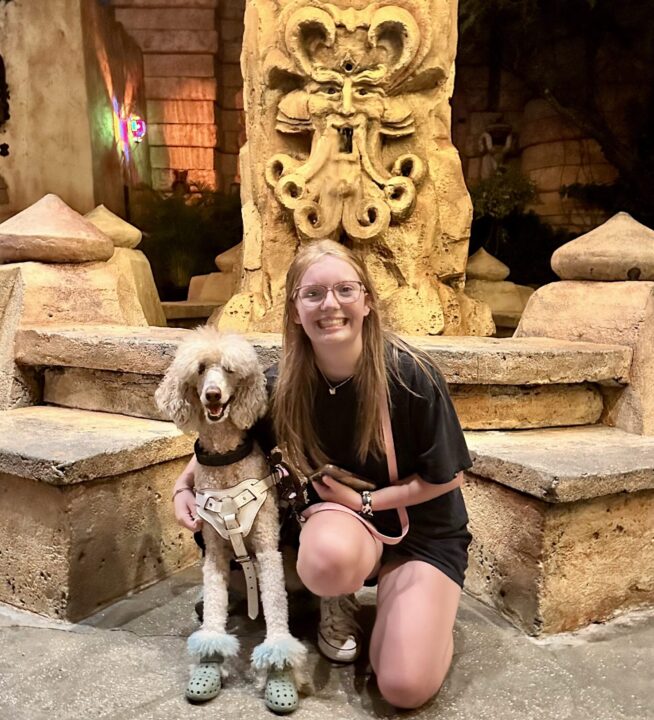
Maddie’s story is not a rare, isolated event; congenital heart defects are the number one birth defect, with one in every one hundred babies born with a heart defect. Just because it’s not a visible illness does not mean it’s not dangerous—research is essential to the future of these kids. When Maddie was in the NICU, one of the doctors made the comment that if she had been born 10 years before, they would have just had to take her home and enjoy the time they had. Improving surgeries has enabled many children to live much longer, but the fight’s not over yet—one day Maddie will need a heart-liver transplant.
Find Support
If you or someone you know is just starting their journey with a child diagnosed with a Congenital Heart Defect (CHD), Beth recommends finding support—the Sewells relied heavily on other families going through the same thing to get them through the hard, dark moments. “The first year was awful, mentally, physically, emotionally exhausting,” Beth admits. “After that, things did get easier. Just to have someone to talk to like that.” Her advice? “Take it day by day. There were days we took it minute by minute. Don’t borrow trouble. Enjoy what you’re doing in that moment, otherwise you’re going to miss so many things.” Maddie echoes her mother, but also encourages parents, “Don’t hold them back. Kids don’t always know their limitations and it can be hard to see their limitations, but let them try to experience things in a safe way.”
Looking for ways to get involved? The Children’s Heart Foundation (CHF) is a great place to start—it’s a way of connecting and meeting other parents and their approach to raising money for research is incredible. Beth first heard of the CHF when they gave out a book to families with children with CHD that put surgeries and technical names into laymen’s terms. Now, all these years later, Beth is the Chair of the Birmingham Walk, their largest fundraising event of the year. The walk is September 27th at Oak Mountain. You can find more information on their website.